Do What You Love Embroidery Design Review
As an experienced embroidery designer and product reviewer, I always approach a new design with a critical eye. I want to know how it will translate from digital format to real-world stitching, whether it enhances the value of my handmade products, and if it's something I'd feel confident selling in my Etsy shop or craft boutique. Recently, I tested the Do What You Love embroidery design — an awesome quote design cut file that comes as a 6×6 inch, 300 dpi transparent background graphic. Here’s what I found after using it on several real-life projects.
A First Look at Do What You Love
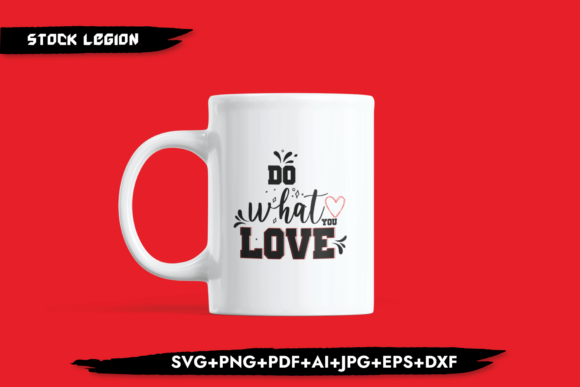
The first thing that struck me about Do What You Love is its bold yet balanced layout. The typography has a clean, modern aesthetic with subtle decorative elements that give it personality without being over the top. It creates a positive, uplifting mood — perfect for motivational gifts or branding items that speak to passion and purpose. The design feels versatile enough to work across multiple fabric types and project styles, but I knew I had to test it out to be sure.
Putting Do What You Love to the Test
I used this machine embroidery design on a few common craft business items: a custom sweatshirt, a tote bag, and a baby onesie. In each case, I was impressed by how well the design stitched up, especially considering it’s a quote-based file. The letters are spaced evenly, and the stitch paths follow a logical flow that minimizes distortion even when moving between different fabric weights.
- Sweatshirt Embroidery: On a medium-weight cotton blend, the design looked fantastic with a mix of satin and running stitches. The text read clearly from a distance and had a professional finish.
- Tote Bag Design: When applied to a canvas tote, the stitch density held up well, avoiding puckering thanks to careful planning and proper stabilizer use. The transparent background allowed the design to sit naturally against the fabric, making it look like part of the bag rather than an afterthought.
- Baby Onesie: For a more delicate application, the design still performed admirably. I adjusted the tension slightly and used a lighter thread color to keep it soft and kid-friendly. The result was a sweet, personalized gift that felt both thoughtful and polished.
Where This Design Shines
Do What You Love works particularly well for custom apparel, handmade products, and personalized gifts. Its clear message and elegant lettering make it ideal for:
- Embroidered patches for backpacks or jackets
- Nursery decor and holiday gifts where sentiment matters
- Printable mockups for digital product sellers showcasing their design assets
- Commercial embroidery projects for small shop merchandise or boutique branding
When to Use Caution
While Do What You Love is a strong addition to most embroidery projects, there are some situations where it might not perform as expected. I noticed that when using it on stretchy or thin fabrics, such as rayon blends or lightweight knits, the design required extra attention to prevent distortion. The same goes for textured materials like denim or linen, where stitch density can affect the final appearance.
Also, because the design includes some fine lines and corners, I recommend testing it on scrap fabric before applying it to high-value items. Small hoop sizes can cause issues with intricate details, so if you’re working on a cap or patch with limited space, consider scaling down carefully and inspecting every corner.
Design Notes for Real-World Stitching
- Test on Scrap Fabric: Always run a sample before committing to a full project. Especially for designs like Do What You Love, which have a lot of visual weight, seeing how they look post-stitch is key.
- Thread Color Contrast: I tried black and white threads, and both worked well. But for dark fabric backgrounds, a light-colored thread (like ivory or cream) really makes the design pop.
- Review Stitch Density: The balance of fill and satin stitches is good overall, but in dense areas, I noticed a slight need for underlay reinforcement to avoid pulling.
- Confirm Hoop Size: At 6×6 inches, this design fits well in many standard hoops. Just make sure your hoop size matches your project dimensions to avoid resizing complications.
- Inspect Small Details: While the main text is legible, the smaller embellishments need a bit of care. Check them closely after stitching to ensure nothing gets lost in translation.
- Use Proper Stabilizer: A tear-away or cut-away stabilizer helped maintain shape and quality during all my tests, especially on curved surfaces and stretchier materials.
- Check Licensing Before Selling: As a digital embroidery file, it’s important to confirm whether you can use it for commercial purposes. Make sure the license allows for resale of finished products or digital goods.
Customer Reactions and Marketability
After completing a few samples, I shared them with fellow crafters and potential buyers. The response was overwhelmingly positive. People appreciated the emotional resonance of the phrase and how it fit seamlessly into the product without feeling forced. One customer even mentioned that they’d love to see it on a pillow cover or apron — great news for those in the craft business looking to diversify their offerings.
This design elevates the visual appeal of any project. It communicates a sense of authenticity and intentionality that’s hard to ignore. Whether you’re an embroidery designer building a brand or an Etsy seller aiming to connect with your audience, Do What You Love can help create that “just right” vibe that turns casual browsers into loyal customers.
Final Thoughts for Creative Entrepreneurs
Embroidery is more than just adding a logo or pattern — it’s storytelling through stitch. Do What You Love does exactly that. It’s not just a cute quote; it’s a statement piece that can anchor your handmade product line or add heart to a client project.
However, don’t assume it will automatically work flawlessly on every surface. Take time to evaluate how it interacts with your specific materials and tools. Think about lighting conditions, wash frequency, and placement on the garment. These factors influence how the design is perceived long after it’s stitched.
If you’re looking for a graphics file that brings charm and clarity to your next embroidery project, this one is worth exploring. Just remember to treat it like any other design asset — with curiosity, respect, and a willingness to adapt.