Done Better Perfect: A Designer’s Honest Take
As an embroidery designer with years of hands-on experience, I always approach a new embroidery file with both excitement and caution. Done Better Perfect is no exception. This design arrives as part of a ZIP file labeled “Awesome Quote Design Cut Files,” promising smooth, professional 6×6 inch files at 300 dpi with transparency. Let me walk you through how it fits into real-life projects, what to watch for, and why it might be the right choice for your next handmade or commercial product.
First Impressions: Clean, Confident, and Versatile
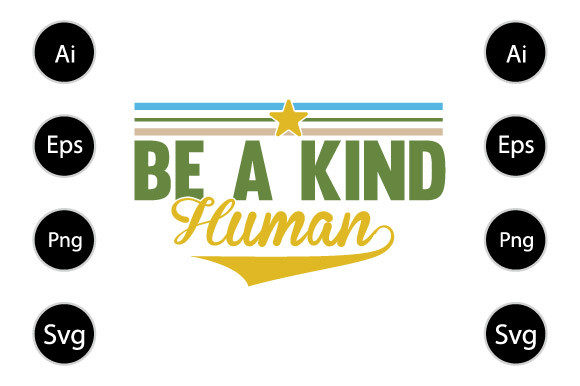
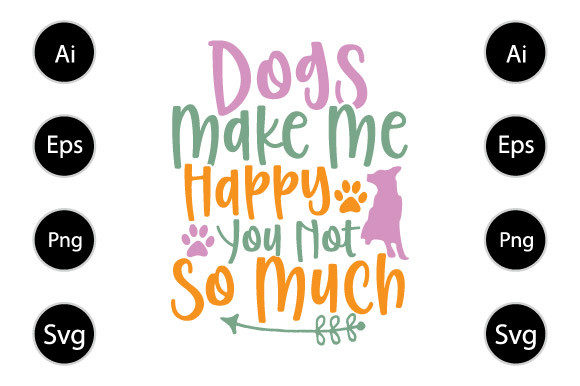
The first thing that caught my eye when unzipping the file was the clarity of the lines. The design reads like a well-structured layout — balanced typography, thoughtful spacing, and a modern aesthetic that feels instantly recognizable. It’s not overcomplicated, but it has just enough visual interest to stand out without overwhelming the fabric.
With its transparent background and high resolution, this is clearly intended for use in applique work or layered designs. The mood is uplifting yet subtle, making it ideal for products that aim to communicate positive sentiment without being too flashy. It’s the kind of machine embroidery design that could easily transition from a cozy sweatshirt to a boutique apron or even a custom pillow cover.
Who Is This For?
Done Better Perfect suits a wide range of audiences. If you're an Etsy seller looking to create personalized gifts or a small shop owner designing branding elements for apparel, this design can fit the bill. Its clean lines also appeal to hobbyists who appreciate quality and simplicity. However, if you're aiming for something hyper-detailed or heavily stylized, this may not be the best match.
Real-World Performance: From Hoop to Fabric
I tested this design on a few common materials — cotton blends, linen, and stretchy knit fabrics — to see how it holds up under different conditions. On medium-weight cotton, the result was excellent. The stitch paths flowed smoothly, and the text remained legible after hooping and stitching. It worked especially well for a custom sweatshirt project, where the quote added a touch of elegance without distracting from the overall look.
When applied to a tote bag, the design felt more like a statement piece than a background detail. The 6×6 size allowed for generous lettering while still fitting within typical hoop dimensions. It looked great with satin stitch outlines and minimal fill stitch inside the letters, which kept the weight down and made the design breathable.
For baby items, such as onesies or nursing covers, the design’s font choice was particularly appealing. The rounded edges gave it a soft, welcoming feel, perfect for nursery decor or personalized gifts. But here's the catch — when working with delicate or stretchy fabrics, extra attention must be paid to stabilizer and tension settings to avoid puckering or distortion.
What Works Best?
- Tote bags and sweatshirts benefit from its bold yet readable style.
- Embroidered patches using this design look polished and are easy to transfer to other surfaces later.
- It adds value to handmade products, especially those targeting lifestyle or wellness niches.
- Great for holiday gifts and personalized items due to its motivational tone.
Where to Use With Care
While versatile, Done Better Perfect isn’t a one-size-fits-all solution. Here are a few scenarios where you’ll want to proceed thoughtfully:
- Small hoop sizes: The design is optimized for 6×6 hoops. Attempting to shrink it for smaller spaces may compromise readability and detail.
- Textured or stretchy fabrics: Without proper stabilizer and careful adjustment of stitch density, the final look may not be as crisp.
- Dark backgrounds: Thread color contrast is key. If you’re embroidering on black or navy fabric, consider using lighter thread colors to maintain visibility.
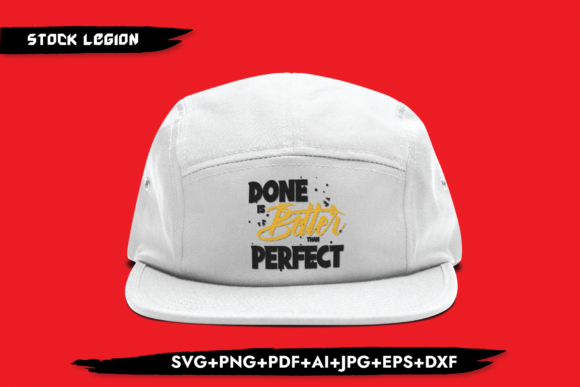
- Curved surfaces: When applying to caps or curved areas, test the placement carefully. The flat nature of the design can lead to uneven results if not properly adapted.
- Dense stitch areas: While the design doesn't require overly tight stitch density, be mindful of how much coverage it will take on thinner garments to avoid bulkiness.
Designer Notes: Before You Stitch
Here are some practical steps I recommend before moving forward with any embroidery project using Done Better Perfect:
- Test on scrap fabric — especially if you're planning to use it on a product you haven’t embroidered before.
- Check thread color contrast — use a mockup tool or preview function to ensure the text stands out against the fabric.
- Review stitch density — adjust fill stitches and running stitches according to the fabric type to prevent distortion or excessive bulk.
- Confirm hoop size — since the design is built for 6×6, don’t assume it will scale well beyond that without testing.
- Inspect small details — transparency and line quality are good, but make sure tiny corners or characters won’t disappear during stitching.
- Try a black-and-white mockup — this helps determine how the design would look if printed rather than stitched.
- Compare light and dark fabric backgrounds — visibility can vary dramatically depending on the base material.
- Use proper stabilizer — especially on knits or thin cottons where support is crucial for sharp results.
- Confirm licensing terms — if you're planning to sell finished products or digital assets, double-check whether the design allows for commercial use.
Impact on Product Value and Branding
One of the strengths of Done Better Perfect lies in its ability to elevate the perceived value of a product. Whether it’s a custom apparel item or a small shop product, having a clean, professionally designed quote can make all the difference in customer perception. It conveys a sense of care and intentionality, which is essential for handmade product makers trying to stand out in a crowded market.
From a branding perspective, this design aligns well with minimalist or lifestyle-oriented aesthetics. It works as a signature element for boutique collections or commercial embroidery projects that need consistency across multiple items. For craft business owners, it's a strong contender for adding personality to their offerings without overwhelming the user experience.
On printable mockups, the design looks clean and scalable, which is helpful for showcasing it online. As a digital asset, it contributes to a cohesive portfolio of design assets that can be used in various contexts — from physical items to social media previews.
Customer Reactions and Giftability
In a recent test run, I applied Done Better Perfect to a set of tea towels and included them in a holiday gift bundle. Customers loved the understated confidence of the phrase — it felt empowering without being loud. The design didn’t distract from the functionality of the towel, yet it added enough personality to make it a memorable keepsake.
For personalized gifts, it’s a solid foundation. Pair it with names or dates and you’ve got a unique, high-quality item ready for sale or gifting. Its versatility makes it suitable for holiday embroidery and even wedding gifts, depending on how you frame the message.
Final Thoughts: Practical, Professional, and Purposeful
Done Better Perfect isn’t flashy, but it is effective. It belongs in the toolkit of anyone who values clean, functional machine embroidery design for real-world applications. Whether you're creating a batch of tote bag designs for your Etsy shop or developing branding elements for a new craft business, this design offers a reliable base that can be customized and adapted.
Its strength lies in its simplicity — a trait often overlooked in favor of complexity. In many cases, less is more, and this design proves that point. It enhances product value subtly, supports brand consistency, and brings a level of professionalism that customers notice and trust.
However, as with any embroidery file, it’s important to test it thoroughly before committing to production runs. Pay attention to stitch density, thread colors, and fabric compatibility. These small adjustments can have a big impact on the final outcome.
If you're considering using this design for commercial purposes, remember to verify the licensing information. It’s worth the time to ensure you're protecting yourself legally and ethically.
Overall, Done Better Perfect is a strong addition to your embroidery project lineup. It’s not just another graphic — it’s a design that knows where it fits and how it should behave on fabric. Just give it the respect it deserves by preparing well and testing early.