I Love You and I Like You: A Balanced Embroidery Design for Real Projects
As an experienced designer and embroidery product reviewer, I often come across digital files that promise a lot but fall short in real-world application. When I first opened the I Love You and I Like You design, I was intrigued by its simplicity and charm. It's not just another love quote—it has a personality that feels warm and sincere, making it ideal for both personal and commercial embroidery projects.
First Impressions and Visual Personality
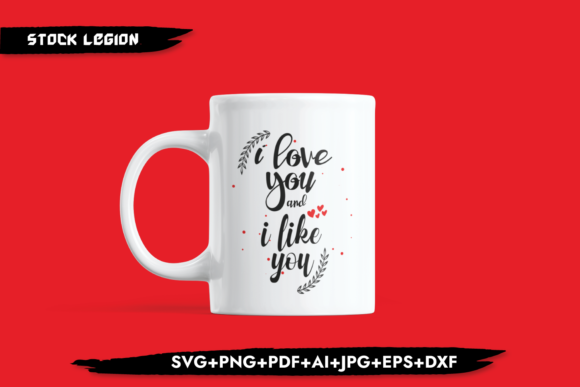
The I Love You and I Like You design immediately struck me as versatile. Its layout is clean with thoughtful spacing between letters, avoiding the cluttered look that some mass-produced quotes can have. The font style is modern yet approachable—something that would appeal to a broad audience without feeling too generic or overly stylized.
This design works best when you're aiming for something heartfelt but not over the top. It’s perfect for soft-sell products like custom apparel, personalized gifts, or boutique merchandise where the message needs to feel genuine rather than salesy. The visual balance of the text gives it a professional edge while still maintaining a cozy, handcrafted vibe.
Real-World Application: Tote Bag Embroidery
Let’s imagine using this design on a tote bag—a common request in many craft businesses. The 6×6 inch transparent background PNG provided makes it easy to visualize placement and scale. I found that the design reads clearly even at a distance, which is important for items people carry around. The shape of the text allows for flexibility in positioning; you could center it, align it to one side, or even wrap it around a small graphic if you’re layering elements.
When considering stitch types, the design seems to be set up well for satin stitch along the text outlines. This creates a smooth, polished finish that stands out nicely against most cotton or canvas tote fabrics. For a more dimensional look, adding a running stitch border or a subtle fill stitch behind certain words could enhance the overall appeal.
Performance in Different Embroidery Projects
One of the strengths of I Love You and I Like You is its adaptability. Here are some of the scenarios where it shines:
- Custom Apparel: On sweatshirts or t-shirts, the design adds a touch of warmth without overwhelming the garment. Its moderate size means it doesn’t take over the entire front panel, which is great for those who want something subtle but meaningful.
- Baby Clothes & Nursery Decor: The soft tone of the message fits beautifully into baby-related items. It can be embroidered onto onesies, bibs, or wall art. Just make sure the thread colors you choose are gentle and match the pastel or neutral palette typical of such products.
- Embroidered Patches and Aprons: The design scales well for patches and looks especially nice when framed with a decorative running stitch outline. On aprons, it serves as a lovely personalization option—especially for handmade kitchen accessories or wedding favors.
- Holiday and Wedding Gifts: This quote could easily be transformed into a holiday gift tag or a simple yet elegant wedding favor label. Pair it with a floral motif or seasonal icon from your own design library for added flair.
Where Caution Is Advised
While the design is flexible, there are a few areas where it might need extra attention:
- Small Hoop Sizes: The design is sized for a 6×6 hoop, so anything smaller will require careful resizing. Tiny lettering may lose clarity, and details could become distorted.
- Textured or Stretchy Fabrics: If you plan to use it on denim, flannel, or stretchy knits, you’ll need to adjust stabilizer usage and stitch density to maintain shape and prevent puckering.
- Dark Fabric Backgrounds: Thread color contrast becomes crucial here. The design includes a single-color setup, so consider switching to white or cream threads for visibility on darker materials.
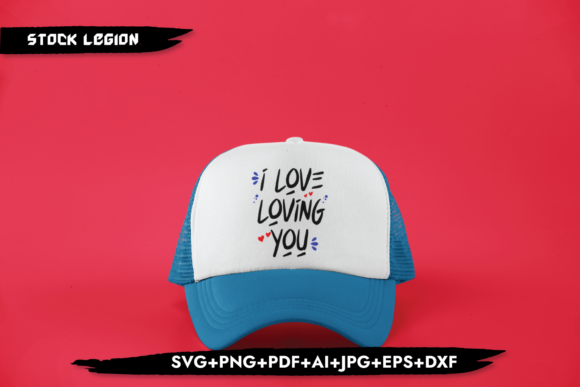
- Curved Surfaces: Applying the design to caps or curved surfaces requires precise alignment and possibly some manual tweaking of the file to ensure the text remains legible and centered.
Impact on Product Value and Customer Perception
In today’s market, customers are looking for authenticity and quality. The I Love You and I Like You design brings a sense of sincerity to any project. Whether you're selling personalized gifts or branding your small shop’s merchandise, this design elevates the perceived value of the finished product.
It also contributes to brand consistency if you're working within a theme of love, friendship, or family-based crafts. As an Etsy seller or handmade shop owner, having a consistent visual language across your listings helps build recognition and trust. Customers start to associate your designs with a particular style—and this one supports that narrative well.
From a giftability standpoint, this design has strong emotional appeal. People tend to respond positively to messages that express affection without being cloying. It’s the kind of detail that makes a handmade item feel special and intentional.
Design Notes for Embroidery Success
Before committing to a full production run or a client order, always test the design on scrap fabric first. This allows you to see how the stitch density holds up and whether the colors pop as expected. Since the product description doesn't specify exact stitch counts or machine compatibility, it's wise to review the design in your embroidery software and simulate the stitching process.
Also, inspect the corners and tiny lettering closely. If you notice any potential issues with sharp angles or thin lines, consider reinforcing them manually before cutting the final product. And don’t forget to check the licensing terms if you're planning to sell finished items or digital versions of the design. Many free designs aren’t suitable for commercial use, and missing that detail can lead to legal complications down the line.
For digital product sellers, the included SVG and PNG files work well for creating printable mockups or previews. They allow you to show off the design in context—like on a tote or a sweatshirt—without needing to stitch it first. That said, keep in mind that these are graphics, not embroidery-specific instructions. You'll still need to evaluate how they translate into actual stitch patterns based on your machine and materials.
Thread Color Considerations
Thread color plays a big role in how the design is received. The default setup uses standard embroidery colors, but I recommend experimenting with different palettes to suit your brand or customer preferences. For instance, a pastel version might work better for baby items, while bold red or gold threads could give it a festive twist for holiday gifts.
Also, test the design in black and white mockups. Sometimes what looks good in color can be hard to read in grayscale. This step ensures that your design remains clear and attractive under various lighting conditions or when printed as a preview image.
Stabilizer and Fabric Texture Tips
Depending on your fabric choice, you may need to adjust stabilizer type and weight. On lightweight or delicate materials like linen or rayon blends, use a tear-away or cut-away stabilizer to prevent distortion. For thicker or textured fabrics like canvas or denim, a bit more stabilizer support can help maintain the integrity of the design.
Remember, stitch density is key. Too tight and the fabric may pucker; too loose and the design may look unfinished. Use your software’s settings to fine-tune this, and always do a trial run. It's worth the time to get it right—your customers will appreciate the attention to detail.
Final Thoughts for Crafters and Business Owners
The I Love You and I Like You design is a solid addition to your embroidery toolkit. It’s not flashy, but it does what it sets out to do with grace and clarity. As a designer, I see its potential in multiple formats—from applique to standalone embroidery on a wide range of handmade and commercial products.
If you're new to embroidery design or managing a growing craft business, this is a great starting point. It won’t require complex techniques or expensive tools to execute well. But don’t underestimate the importance of testing and adjusting. Even the simplest designs can benefit from thoughtful customization to suit your specific project needs.
Ultimately, the success of this design depends on how you apply it. With the right thread colors, stabilizers, and placement, it can become a signature element in your portfolio of crafts and graphics. Keep your audience in mind—whether they're seeking a heartfelt gift or a branded item for their shop—and let the design speak for itself.